
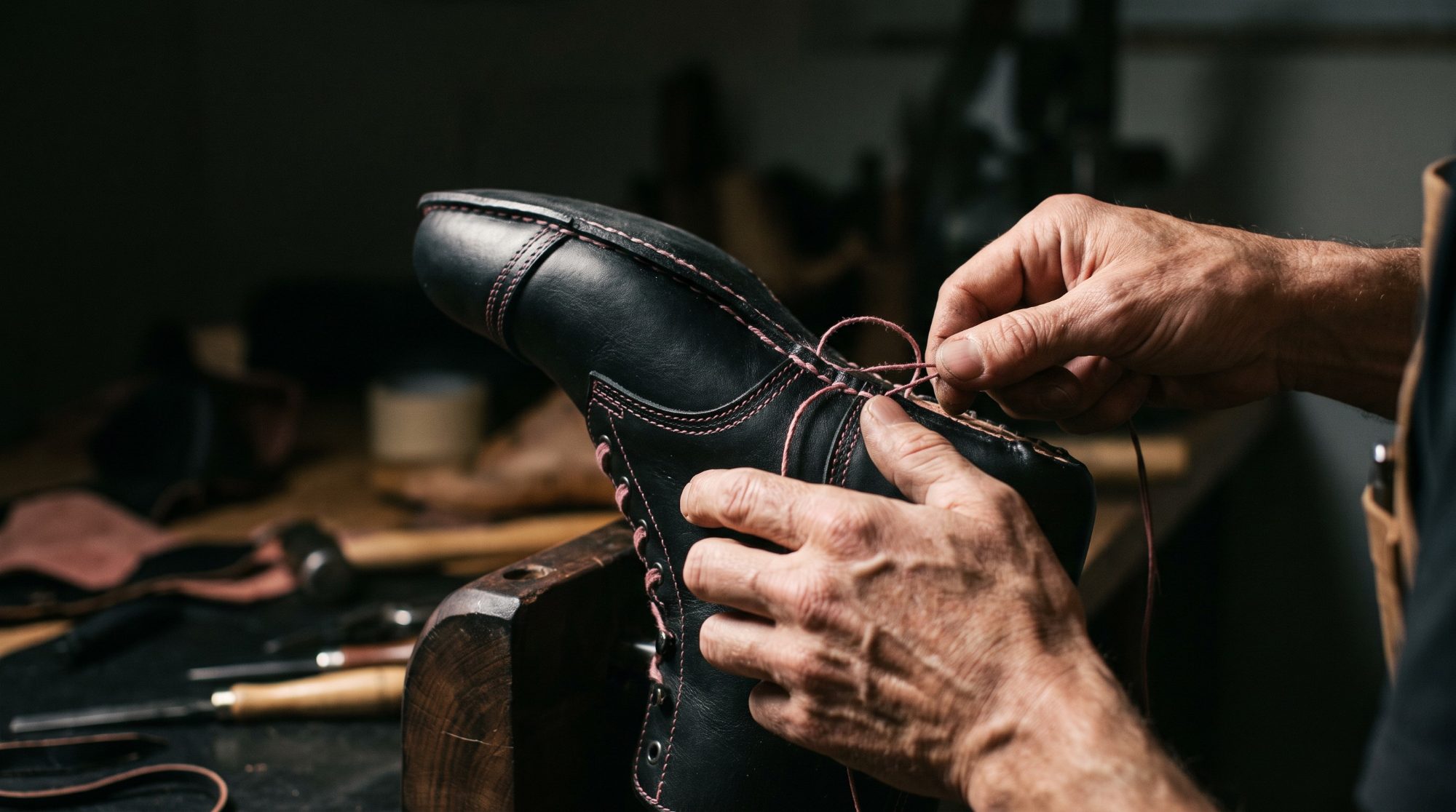
The workshop
Taller ER Western
The hands that make the boots write the guides.
Taller ER Western is the brand's craft and editorial team: the people who cut the leather, last every pair and stitch the sole, and who turn that knowledge into guides for choosing, fitting and caring for western boots.
We don't write from a newsroom. We write from the workbench, with the same standard we bring to every boot: structure and freedom in the same line.
How we write
Six rules that apply to every guide published on this site.
- 01
From the last, not from a search engine
What we say about fit, toe shape or leather comes from the workshop: from lasting boots and watching how they break in. If we haven't checked it, we don't claim it.
- 02
Answer first, detail second
Every guide opens with a direct answer to the question in its title. Then comes the why, with tables when they help you decide.
- 03
We say what we don't know
When something depends on your foot, your use or your climate, we say so instead of giving a false rule. We'd rather say “between two sizes, the larger” than make a promise we can't keep.
- 04
Things by their name
Welt, shank, Goodyear welt, calfskin, vegetable tanning. We use the technical term and explain it, in Spanish and with its English equivalent.
- 05
Dated and reviewed
Every guide shows its update date. If a material, a size or a process changes, the guide changes.
- 06
No invented reviews, no numbers we can't back up
Any opinions we publish will come from real, verifiable customers. Until then, we don't show any.
The craft
Made with craft
Four steps. No shortcuts.
- 01
Hand-selected leather
Whole hides only, unmarked. Chosen one by one.
- 02
Lasting
The leather is hand-lasted and rests for 48 hours.
- 03
Fine stitching
Shaft embroidery and a stitched sole. Repairable for life.
- 04
Final check
Every pair is checked by hand before it goes in its box.
What we write about
- ◆
Fit and sizing
How to measure your foot, how a new boot should fit, widths and US, MX, EU equivalents.
- ◆
How to choose
Use, toe, heel, shaft and leather: the criteria that matter before you buy.
- ◆
Care and repair
Cleaning, conditioning, protection, storage and when to resole.
- ◆
Craft and materials
Boot anatomy, constructions, leathers and tanning, and the four-step process.
All guides
All guides◆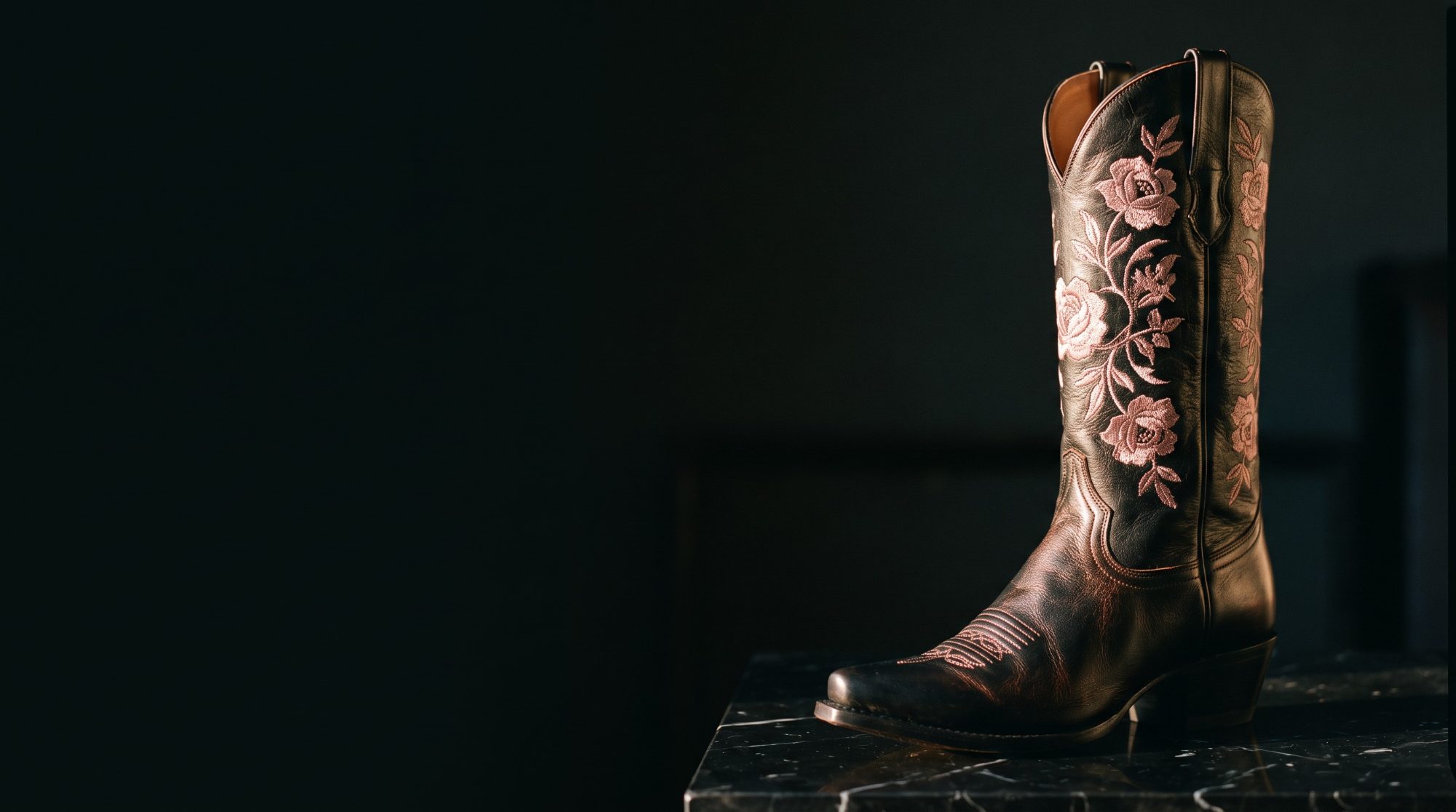
Cómo elegir
Cómo elegir botas vaqueras: la guía completa
Uso, punta, tacón, caña, piel y ajuste: los seis criterios para elegir botas vaqueras que te queden bien y duren. Con tabla por ocasión.
Read guide◆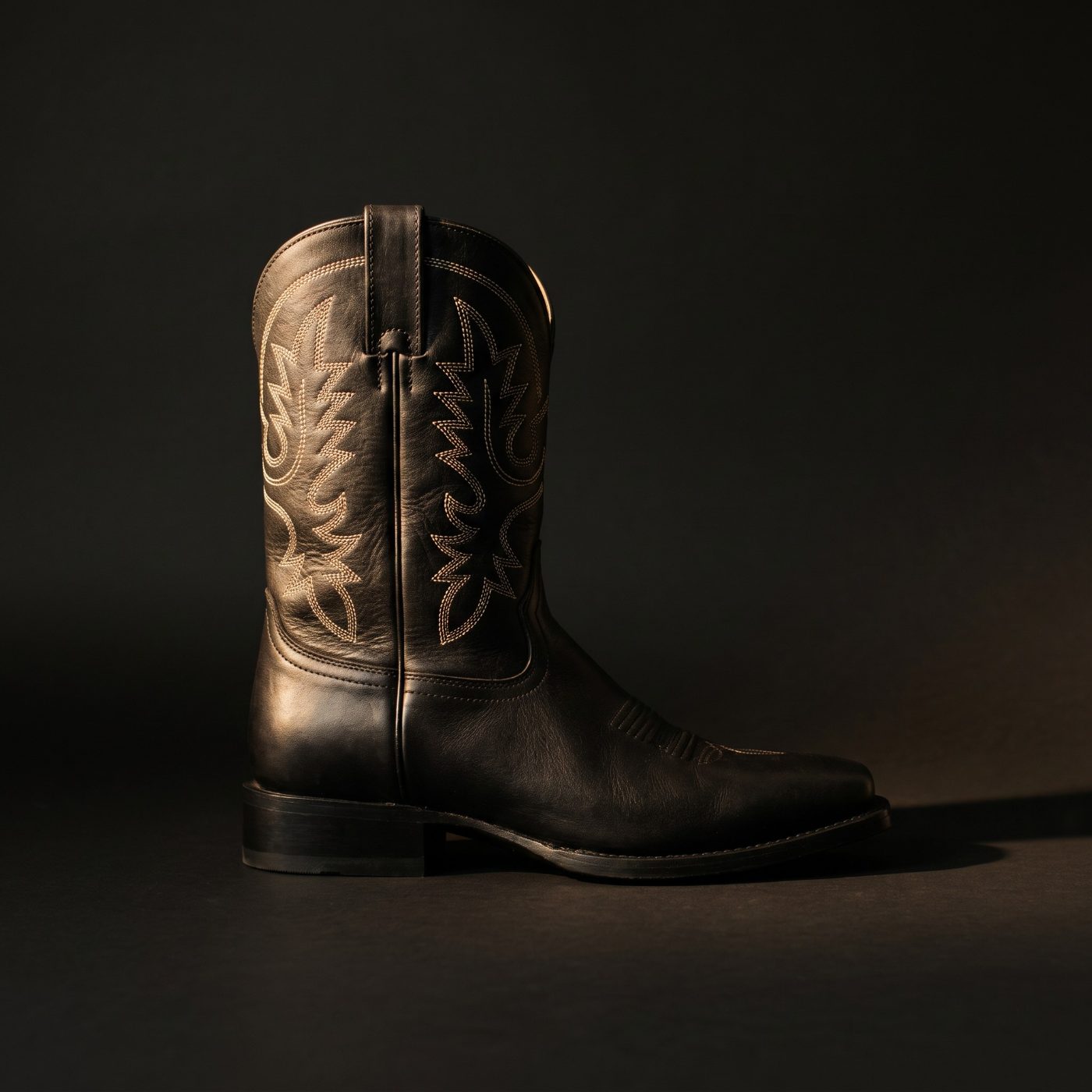
Cómo elegir
Tipos de punta en botas vaqueras: snip, cuadrada, redonda y afilada
Qué es cada punta, a qué pie le queda, para qué uso sirve y cómo se ve. Tabla comparativa para decidir en un minuto.
Read guide◆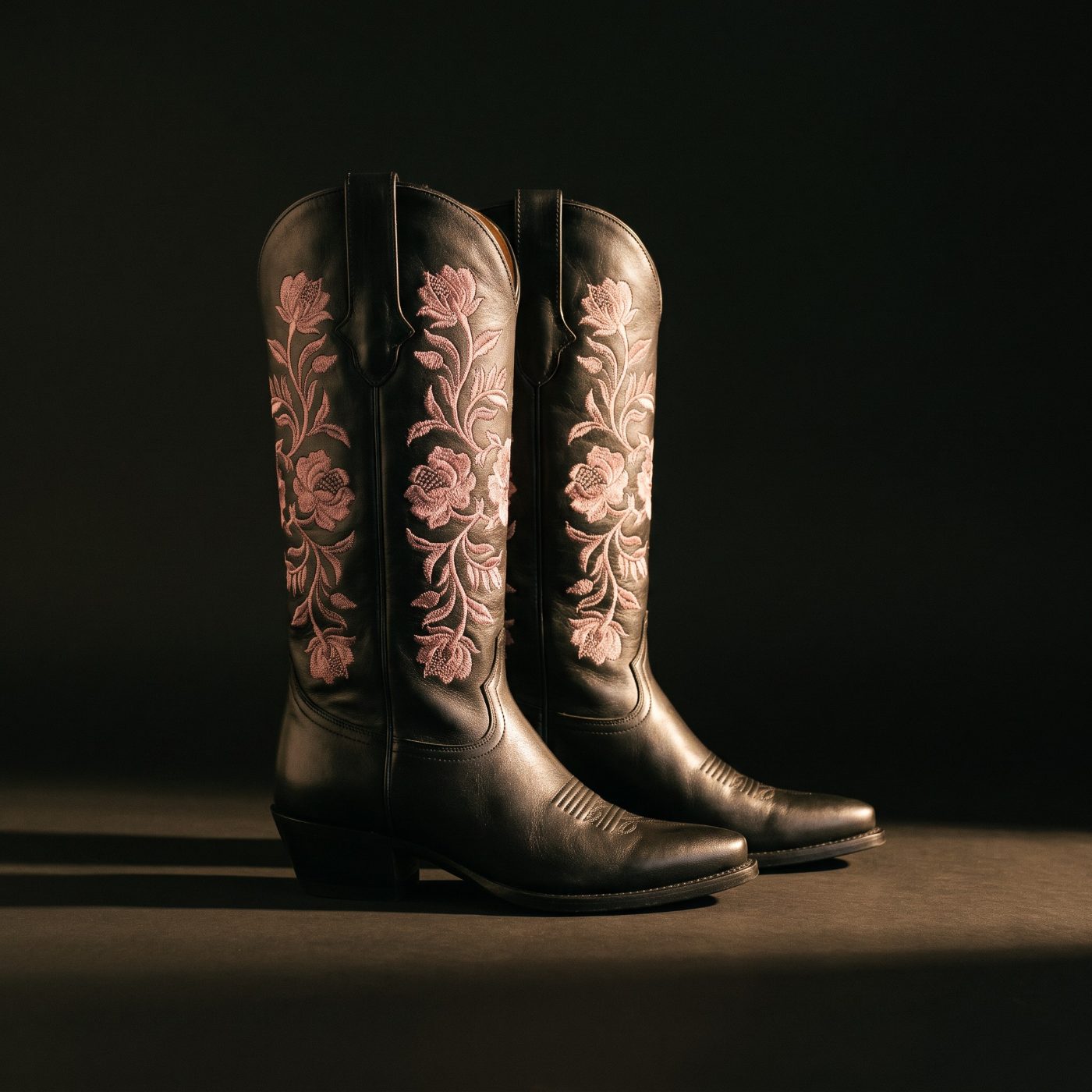
Ajuste y tallas
Cómo deben quedar las botas vaqueras: ajuste, talla y anchos
Empeine firme, dedos libres y talón que se levanta un poco al principio. Cómo probarlas en casa, cuándo subir media talla y qué se estira y qué no.
Read guide◆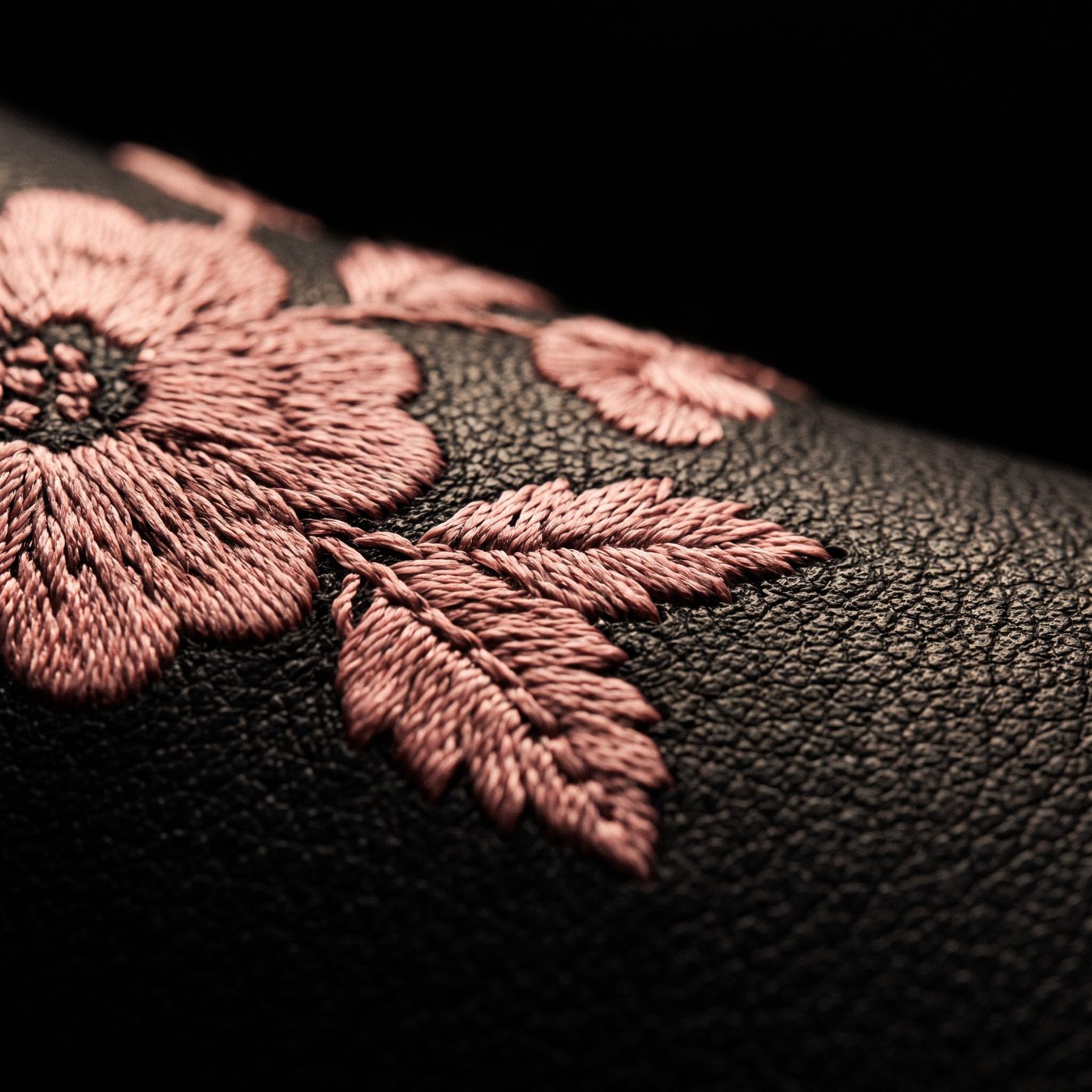
Cuidado y reparación
Cómo cuidar botas de piel (y botas bordadas): el protocolo del taller
Limpieza, hidratación, protección y guardado paso a paso. Qué hacer con el bordado, con la piel clara, con el agua y con la sal.
Read guide◆Oficio y materiales
Anatomía de una bota western: cada parte y por qué importa
Caña, tirador, empeine, puntera, contrafuerte, tacón, tapa, suela, palmilla, cambrillón, vira y forro. Qué es cada parte y cómo cambia el ajuste y la duración.
Read guide◆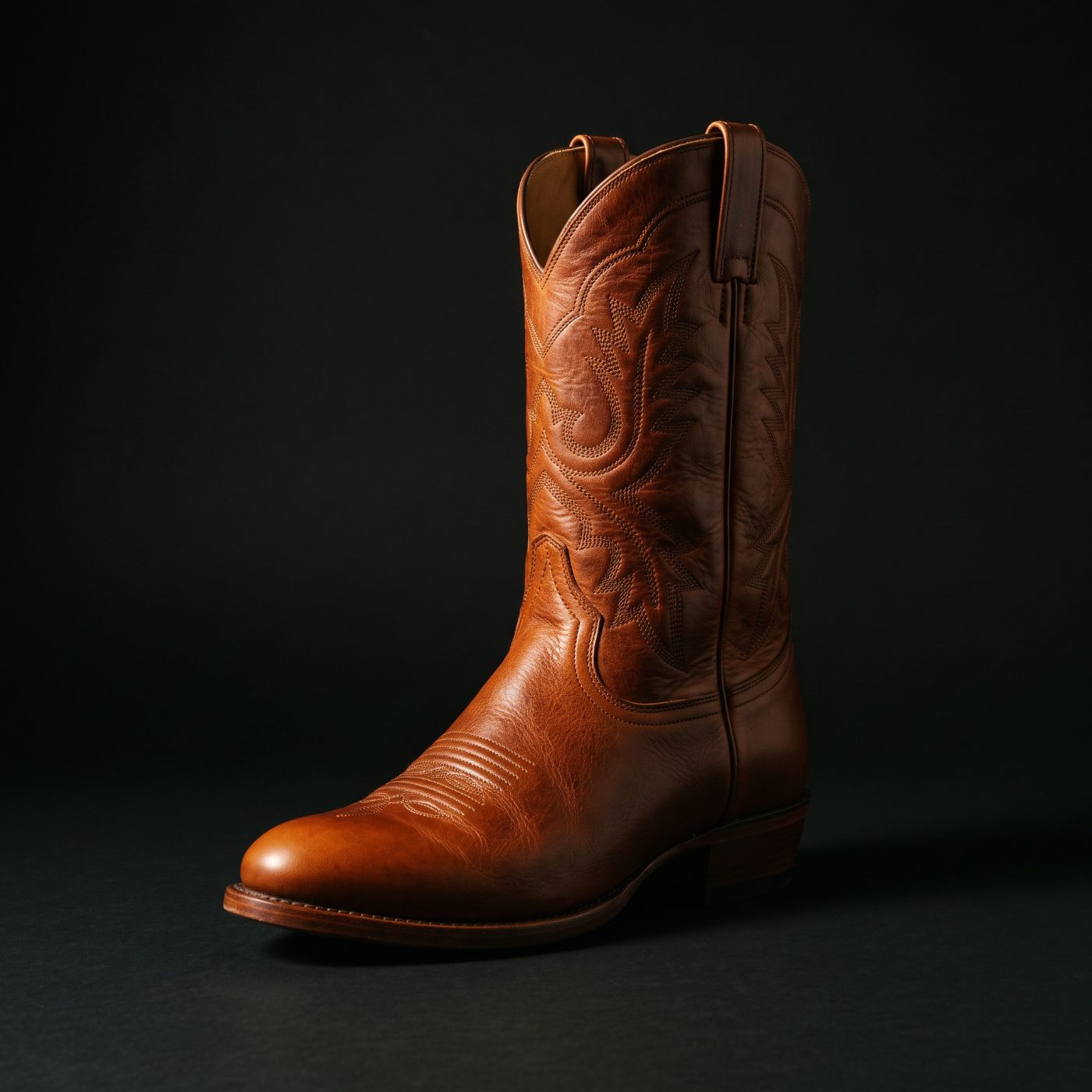
Oficio y materiales
Cosido Goodyear vs. cementado: qué cambia en una bota y cómo reconocerlo
Durabilidad, reparación, peso, flexibilidad, agua y precio. Tabla comparativa y cómo identificar cada construcción en la tienda.
Read guide◆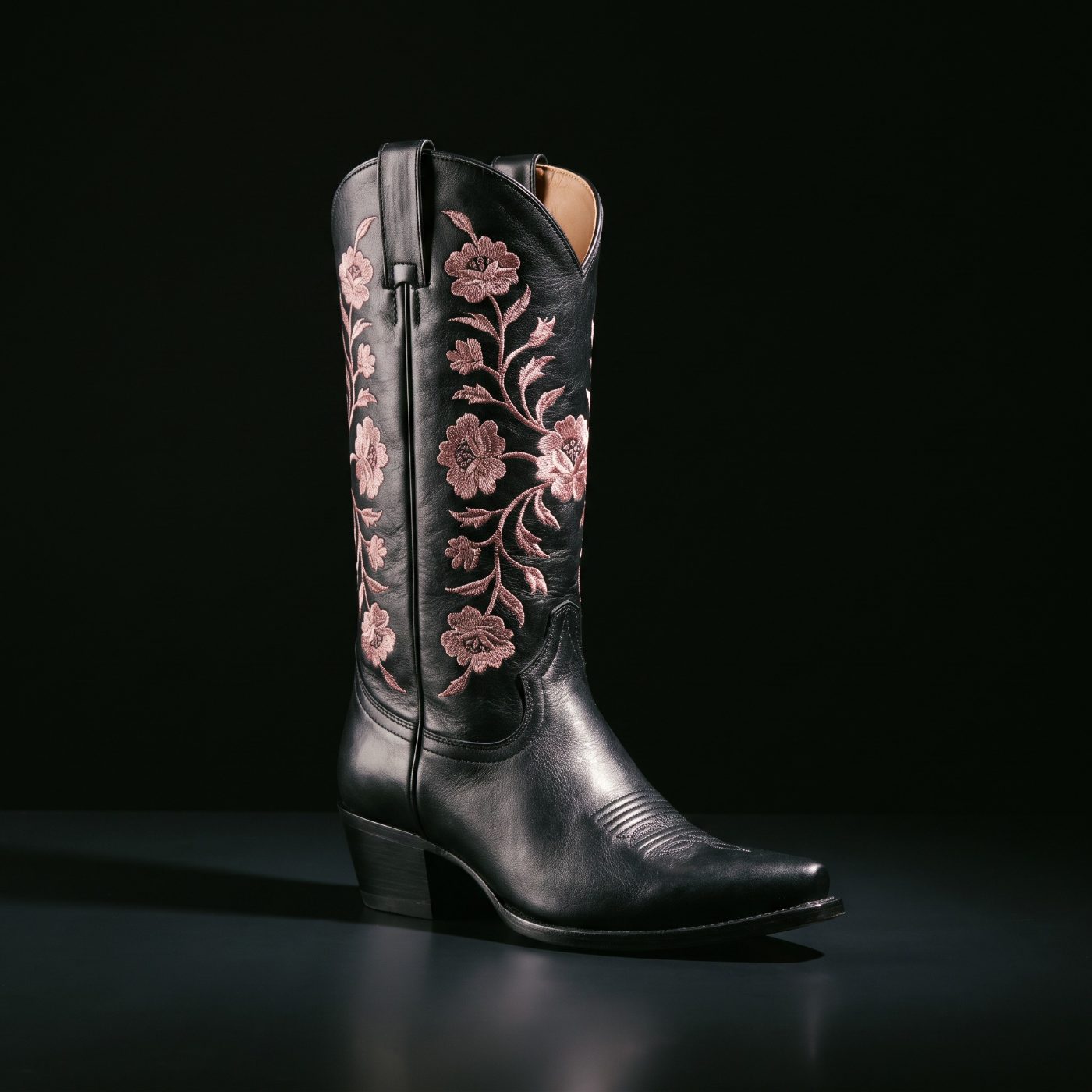
Glosario
Glosario de la bota western (español · inglés)
Los términos que usa un botero, explicados en una frase: caña, vira, horma, pespunte, punta snip, tacón apilado, becerro, curtido vegetal, ancho, resuelado y más.
Read guide◆Spotted a mistake?
hola@erwestern.com · Write to us with the guide and the paragraph. We correct it and update the date.